It's about the Mindset
Changing the Word, Changing the Story

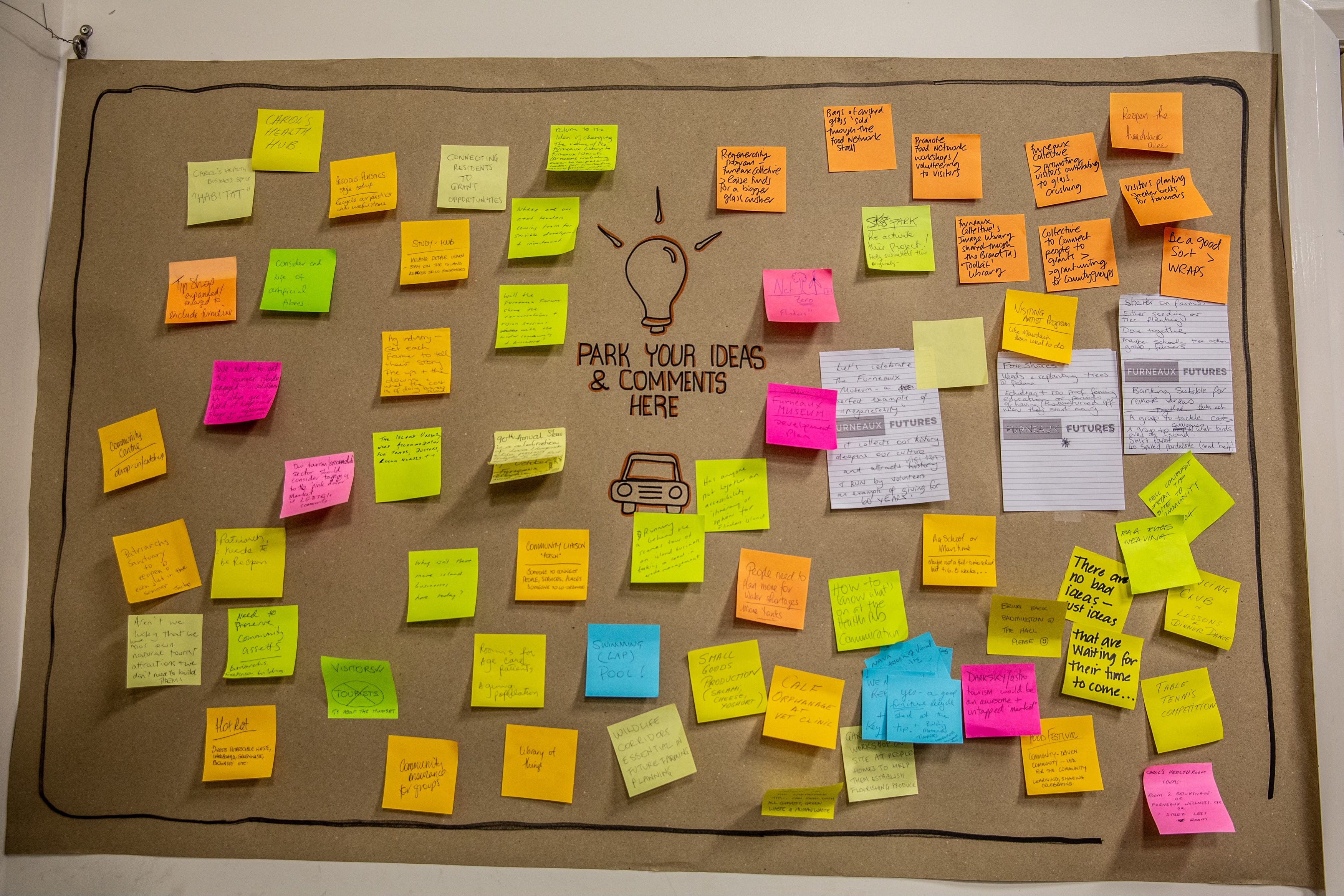
At the Furneaux Futures Forum, last week, one bright green post-it note on the ideas wall caught my eye. In bold letters it read: “VISITORS” and underneath, “TOURISTS” circled and crossed out. At the bottom, a simple reminder: it’s about the mindset.
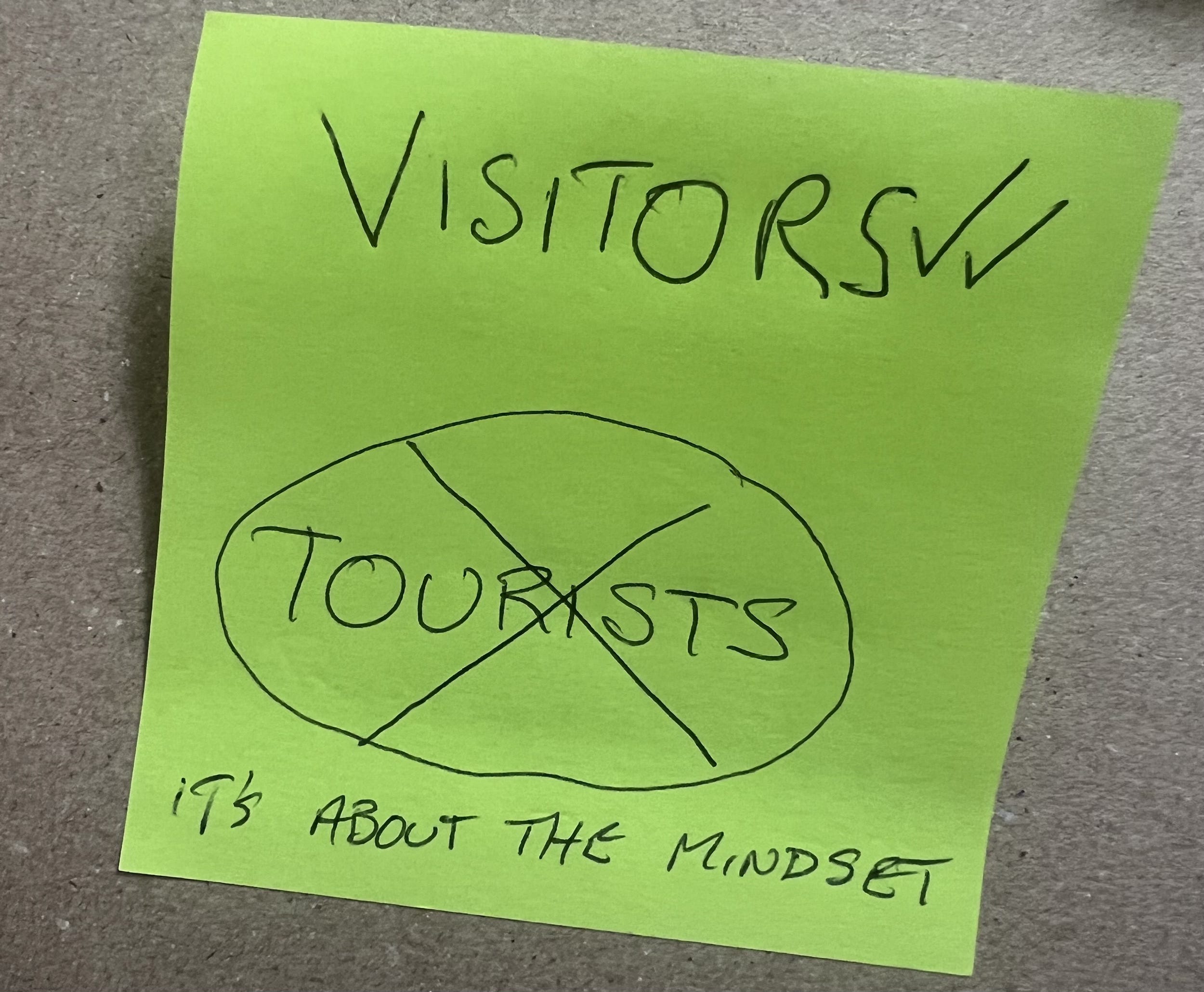
That square of paper summed up a bigger conversation happening across our community and in many places around the world.
When I say the word ‘tourist’, I know what the industry hears. I also know what our community hears, and those two things are often worlds apart.
The “official global definition” of a ‘tourist’ is “a visitor who travels outside their usual environment, for less than one year, for leisure, business, or other personal purposes, and stays at least one night at the destination”. It’s neat and tidy, the kind of language you find in industry reports.
But on Flinders, the words “tourist” and “tourism” can feel complicated and carry heavy baggage. For some, the words suggest pressure on local resources, from our food systems to our environment and to our waste and roads, and it can land with suspicion before the conversation even begins.
Why language matters
I’m not on a mission delete words. I’m asking: if we want our industry to thrive and for communities to welcome us, does the story we’re telling about “tourists” still serve us?
Travel behaviour is changing. People are no longer content to tick off a bucket list of attractions. They’re seeking connection, authenticity, and a sense of belonging. The growth of regenerative travel, community led experiences, and purpose driven itineraries isn’t just a trend. It’s a shift in values. People are choosing destinations that reflect who they are and what they stand for. They want to contribute, and they’ll revisit again, to see how their contribution has made a difference.
We have the chance to shape an island experience that strengthens our community, protects our environment, and leaves a legacy we are proud of. And we know it is possible because other places have done it.
Who is reframing it
The Faroe Islands run “Closed for Maintenance” every April, where the Islands close to traditional tourism for two days and welcome a few hundred “voluntourists” to help with conservation projects, fixing trails, building fences, and restoring historic paths.
Hawai‘i has developed the “Mālama Hawai‘i” program, offering visitors discounts and perks if they volunteer, from planting native trees to reef restoration projects.
New Zealand’s “Tiaki Promise” reframes how visitors engage with place. Rooted in Māori values of manaakitanga (hospitality) and kaitiakitanga (guardianship), Tiaki asks travellers to care for land, sea, and culture, and to move through Aotearoa with respect and responsibility.
Palau introduced the “Palau Pledge,” stamped into every visitor’s passport, where travellers must sign a commitment to protect the environment and culture during their stay.
What we’re doing on Flinders Island
Here on Flinders Island, our community led initiative, the Furneaux Collective, is taking inspiration from these models and shaping its own.
The approach is simple: visitors are more than guests - they’re potential contributors.
We invite people to be part of something bigger than just a holiday. That might mean joining a working bee, helping repair beach access, planting trees, or supporting conservation and biodiversity projects. Contributions can take many forms: a financial donation, a day of volunteering, sharing a skill, or offering materials for local initiatives.
But it’s not just about the tasks. A morning of trail clearing could end with a shared lunch, building friendships across community and visitors. Collecting microplastics washed up on Marshall Bay might open conversations about the Island’s unique history, its wildlife, and our island way of life. These moments of connection with community and nature are what transform a visit into something meaningful, creating stories that last long after the trip has ended.
By inviting visitors to contribute, we strengthen our community, care for our environment, and ensure the Island remains resilient and welcoming for generations to come.
Rather than simply filling itineraries, we want to create opportunities for people to connect - to each other and to the place itself. Just as the Faroe Islands turn maintenance into a moment of pride, or Palau turns a pledge into a personal promise, Flinders Island can make contribution part of the experience.
We’re also telling our story differently. Instead of marketing “things to do,” we’ll share “ways to belong.”
Our focus is:
Using community led storytelling to show travellers what matters here.
Pairing every invitation with a reciprocal benefit - something the visitor can give back.
Instead of chasing growth, we’ll chase meaning.
When the right people hear this story, they’ll come for the right reasons. They’ll match our rhythm, respect our resources, and leave as advocates - not just customers.
For our local industry, this isn’t about erasing the word “tourist.” We’ll still use it where it makes sense, but we’ll pair it with purpose by talking about regenerative tourism, community led tourism, and purposeful travel.
If we don’t tell that story, someone else will - and they may not tell it in a way that protects our place, our people, or our future.
It begins with the language we choose in our campaigns, our policies, and the stories we share with our community and the wider world.
Change the word and you change the perception.
Change the perception and you change the experience.
Change the experience and you change the future.
A successful visitor economy cannot be measured by numbers alone. What matters is how it creates connection, protects place, and leaves a legacy that benefits everyone.
And yes… it’s about the mindset: visitors, not tourists.
Sx